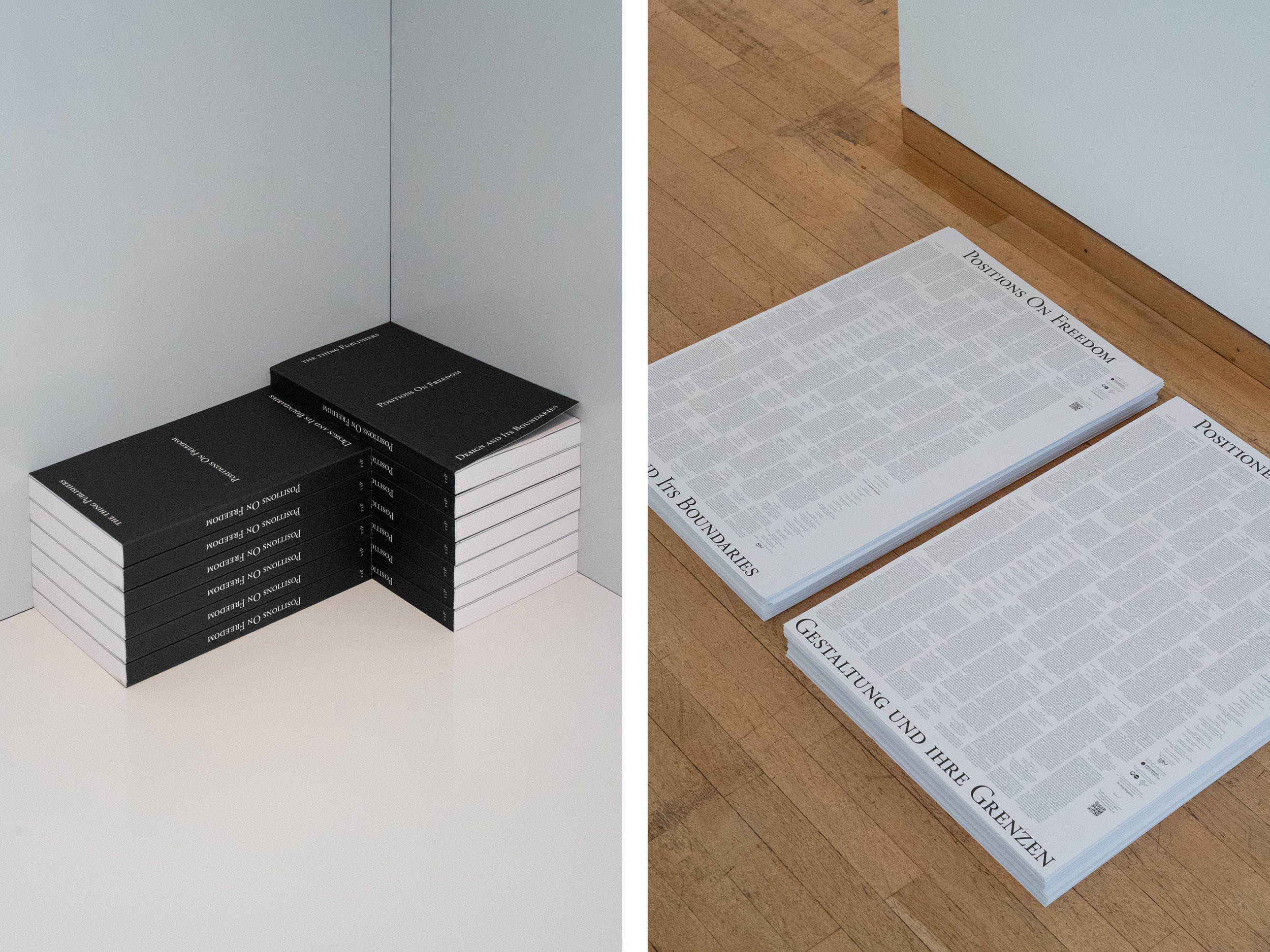
POSITIONS ON FREEDOM
MUSEUM ANGEWANDTE KUNST, FRANKFURT
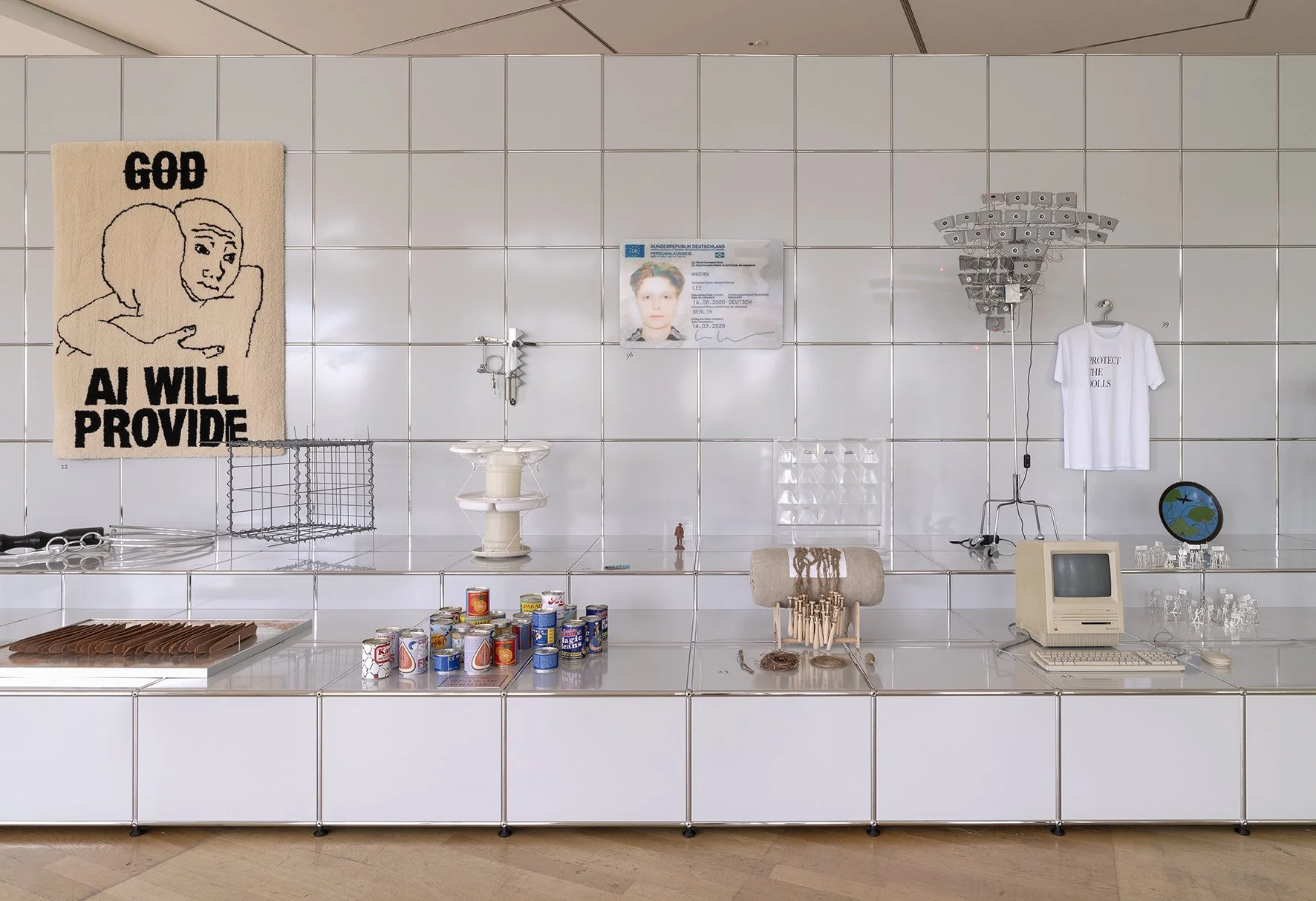
As part of World Design Capital Frankfurt RheinMain 2026, the Museum Angewandte Kunst explores how design shapes societal notions of freedom — while simultaneously revealing their limits. The project is realized through the the thing Fellowship in partnership with the Fondation USM.
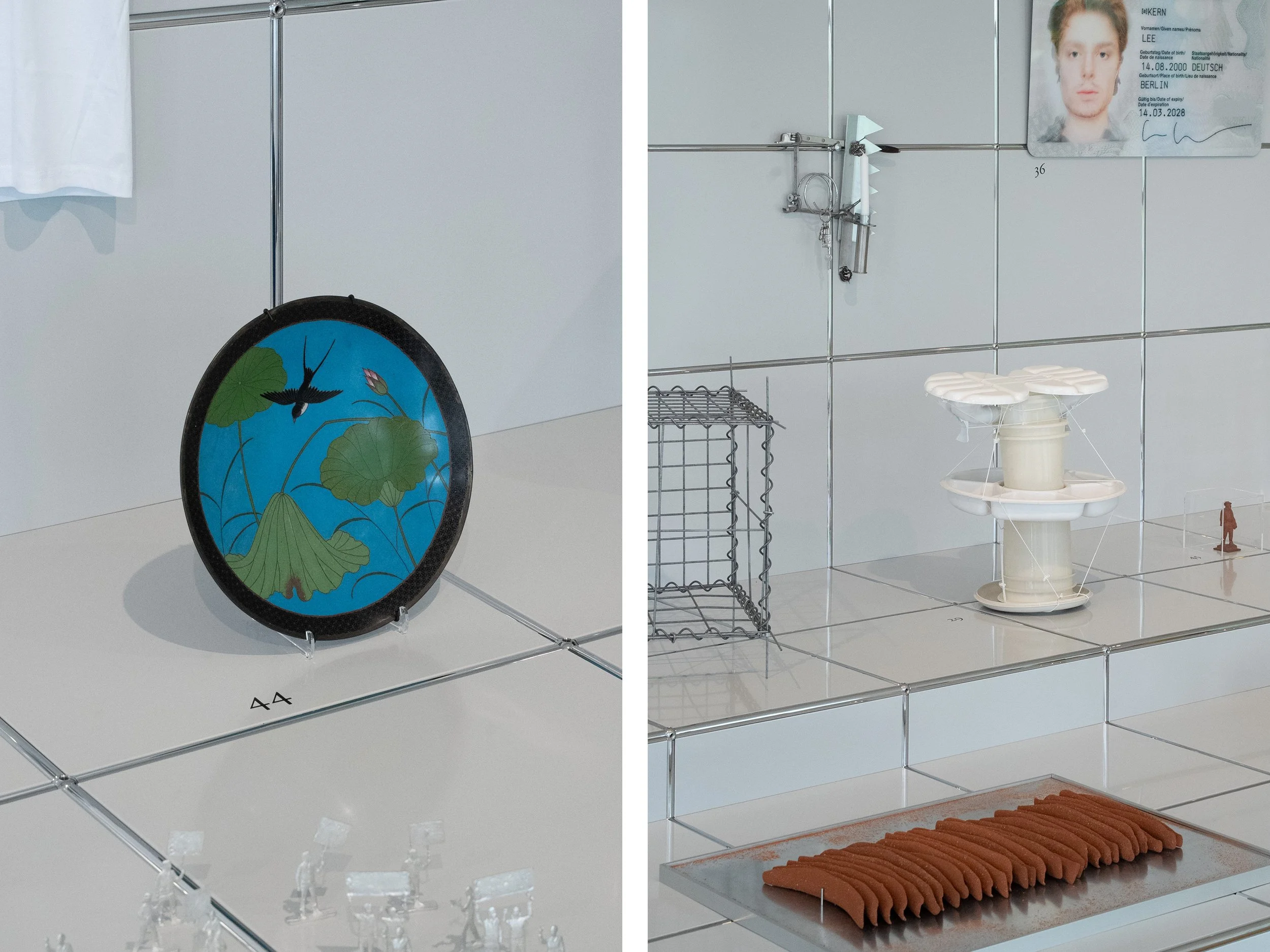
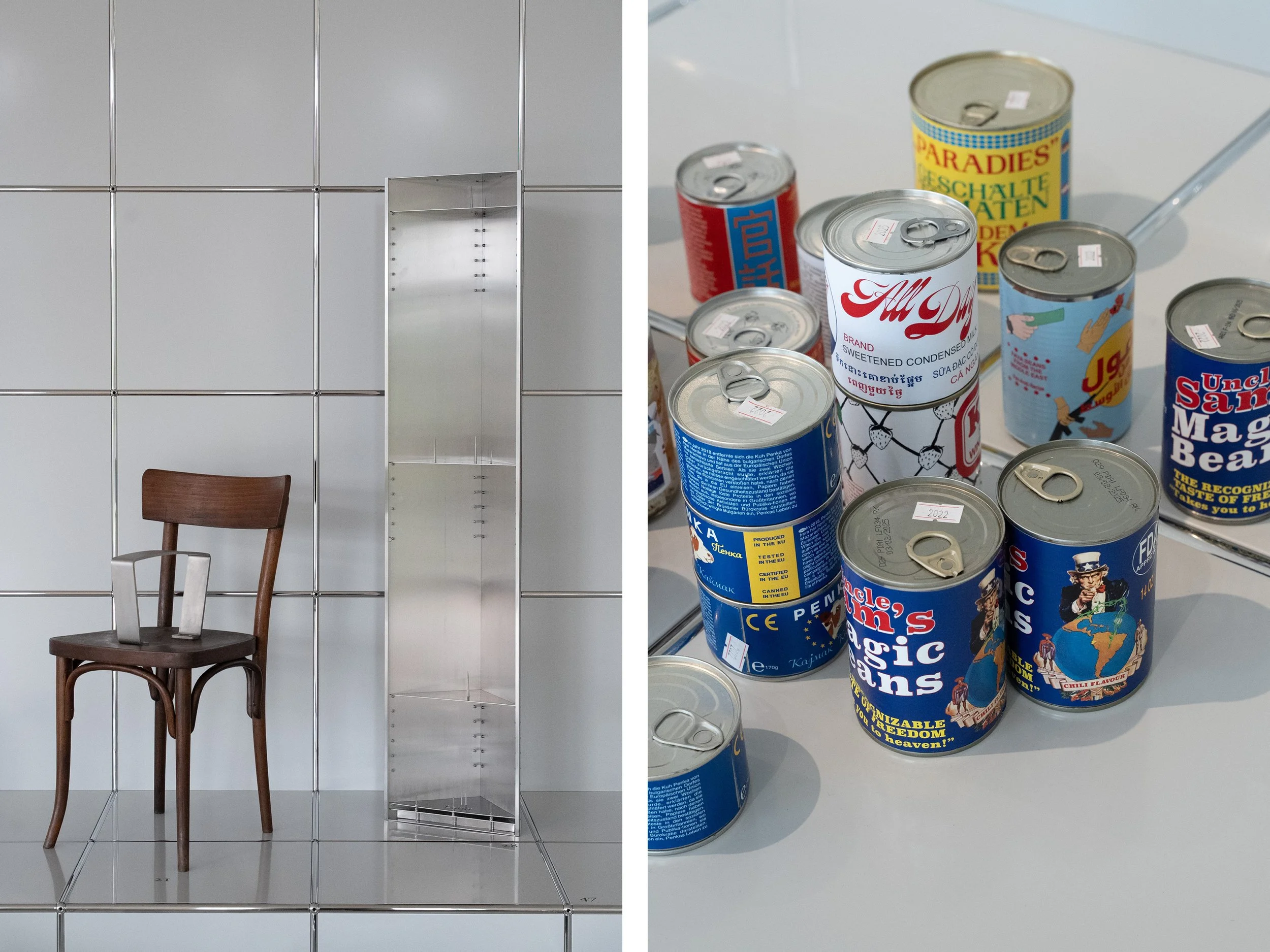
At the center of the exhibition is an unusual shift in perspective: artists and designers use the modular USM Haller system not as furniture, but as material, infrastructure, and a conceptual framework through which questions of freedom, control, identity, and social order can be renegotiated.
The exhibition approaches design not as neutral form-making, but as a social practice. Between aesthetics and norms, concrete realities emerge: spaces, tools, interfaces, and objects that determine what becomes visible, accessible, and possible. Design therefore always produces both — solutions and exclusions, freedom and limitation.
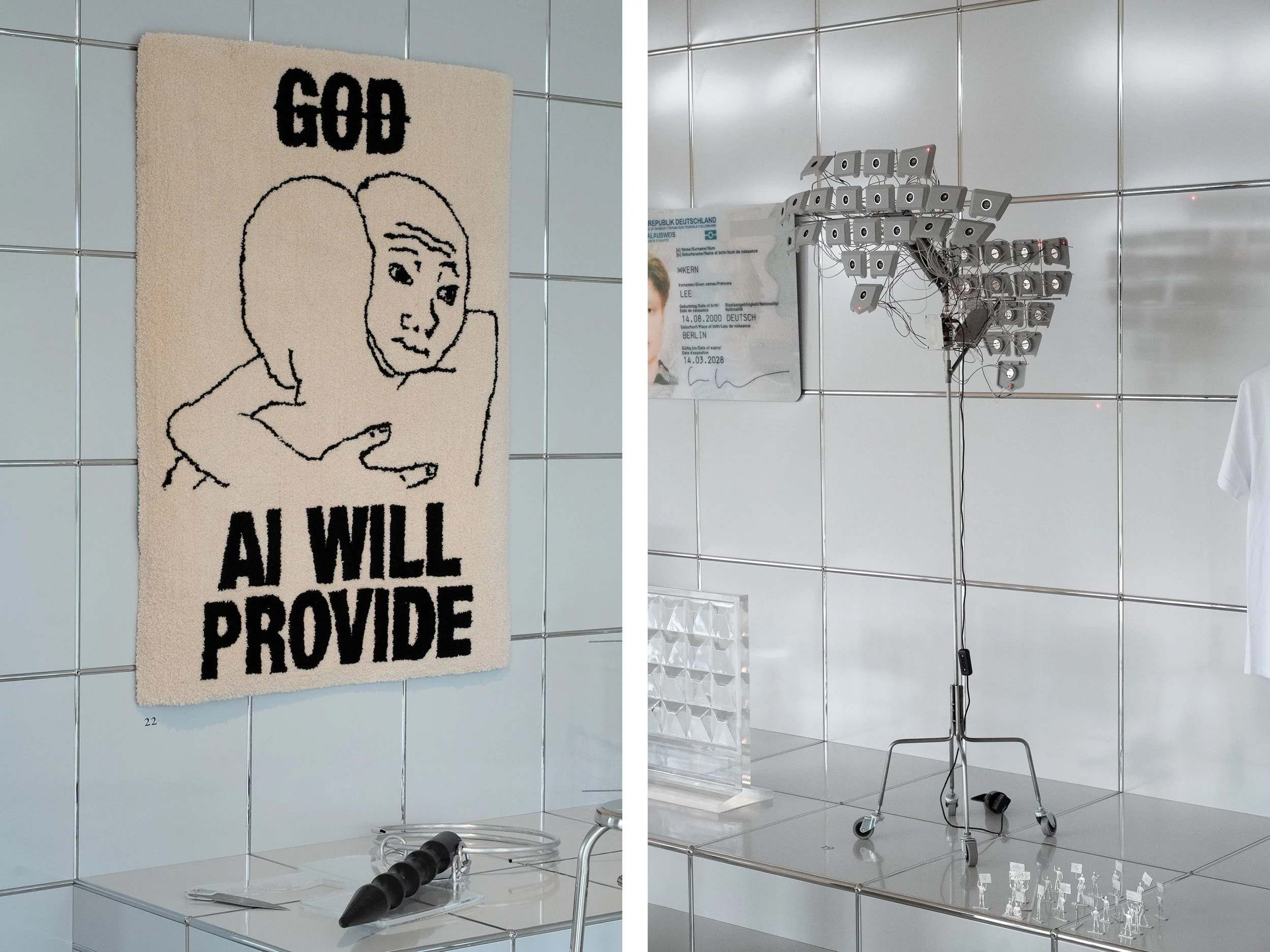
Positions on Freedom presents this field of tension from multiple perspectives: from spatial and political freedom to questions of surveillance, identity, violence, and barriers. Freedom is understood not as a fixed condition, but as a relationship to its own limits. Design is approached as a collective practice: not as the expression of individual freedom, but as an ongoing negotiation of how open systems remain to different realities of life and forms of appropriation.
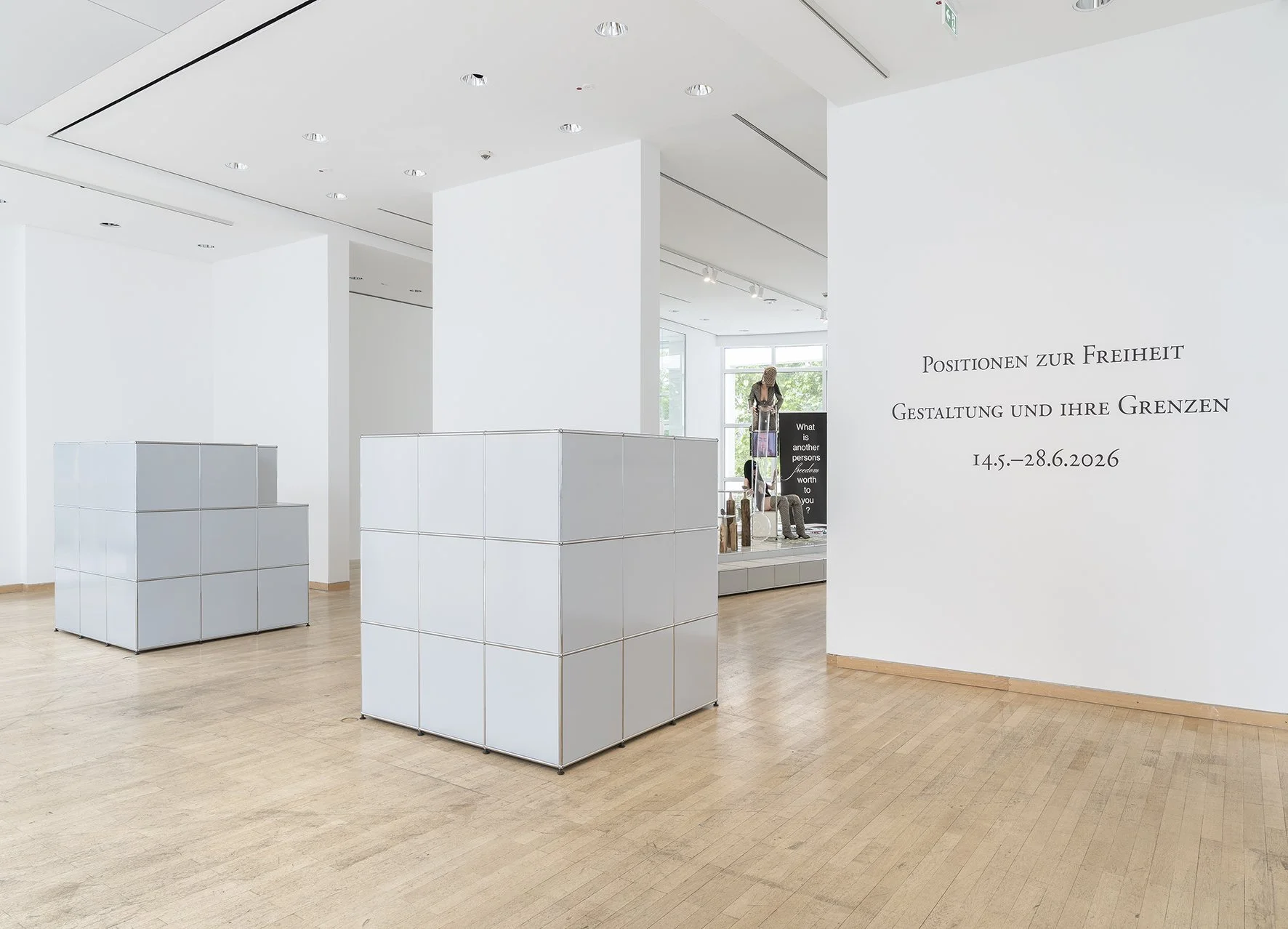
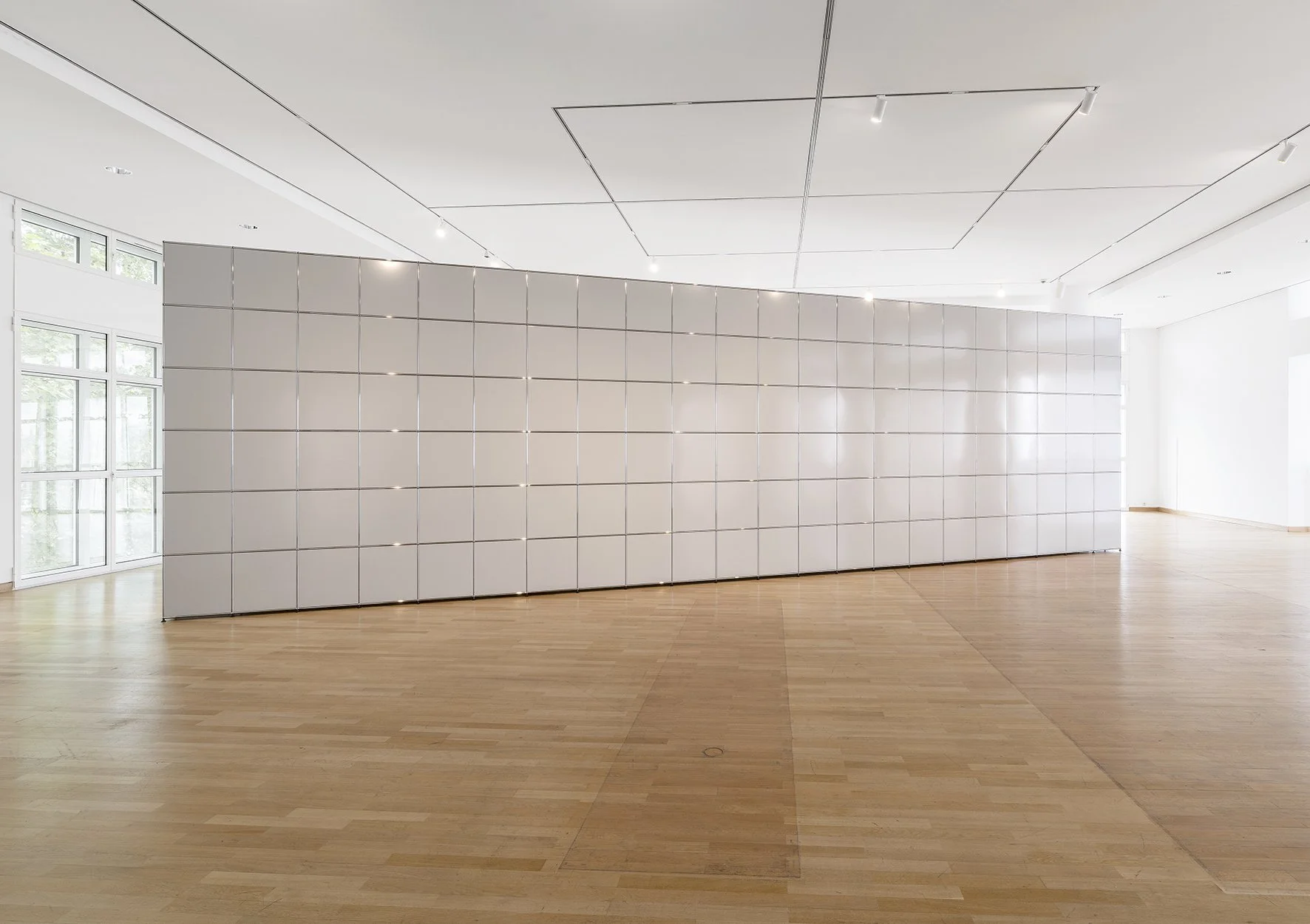
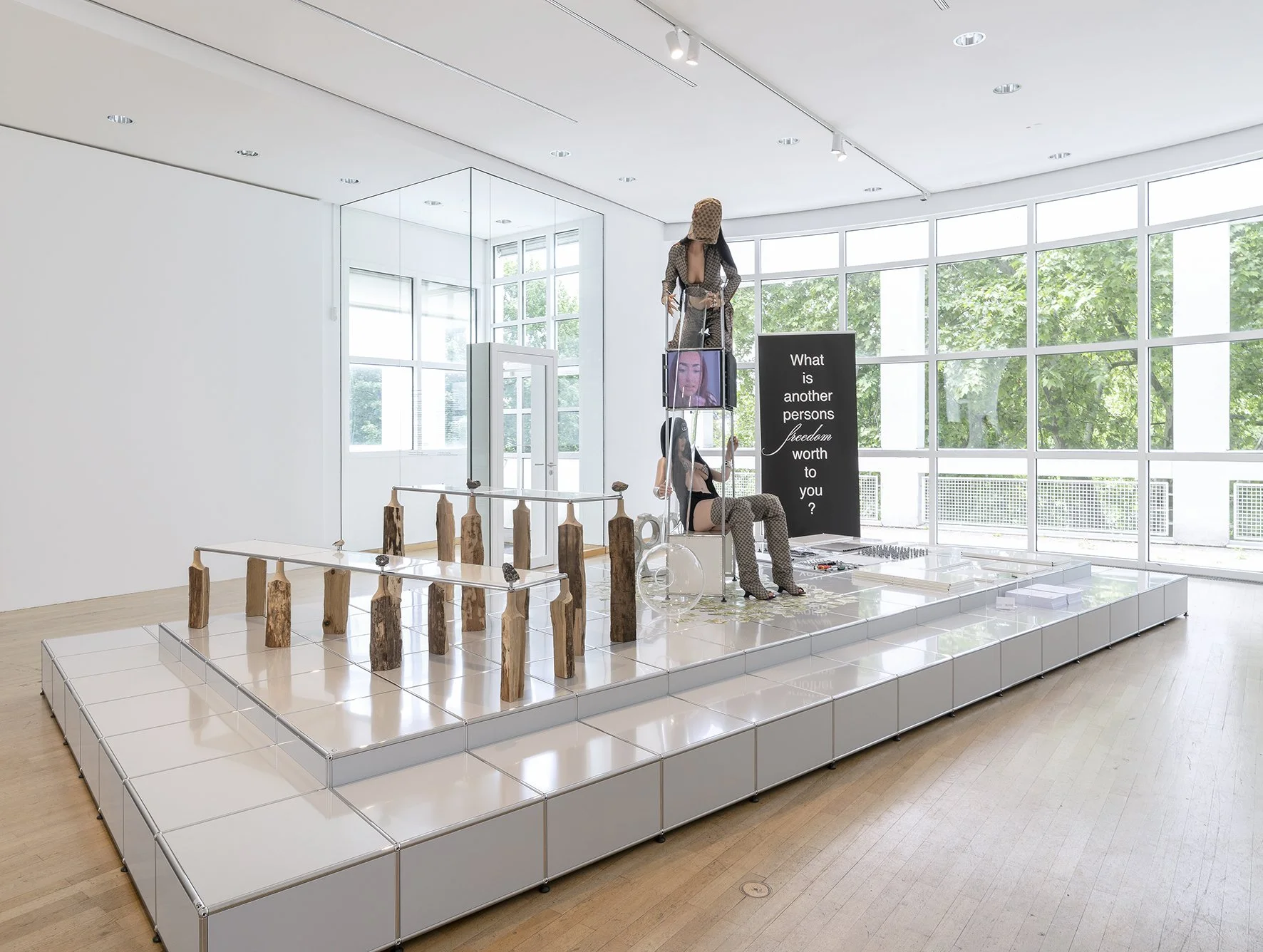
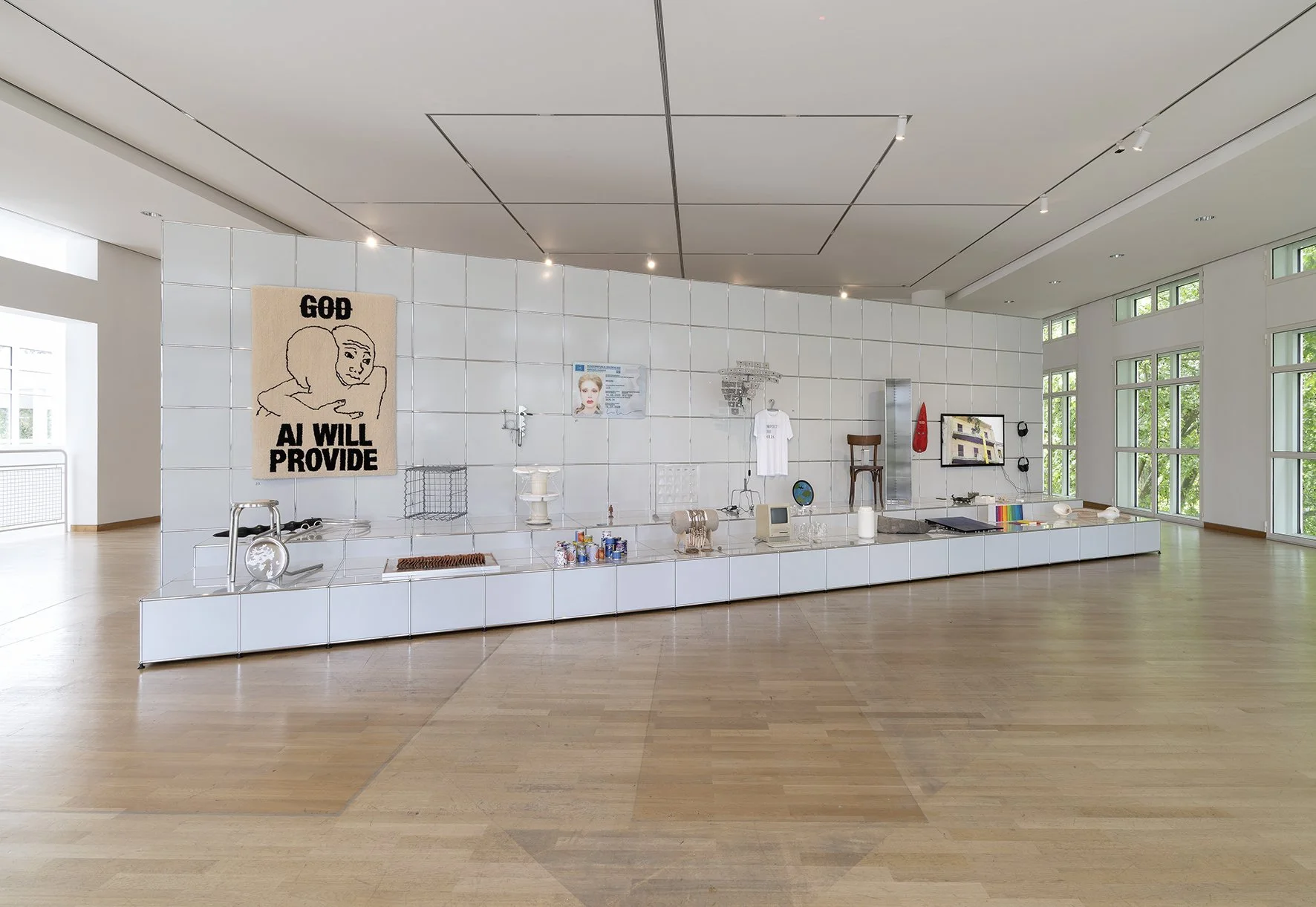
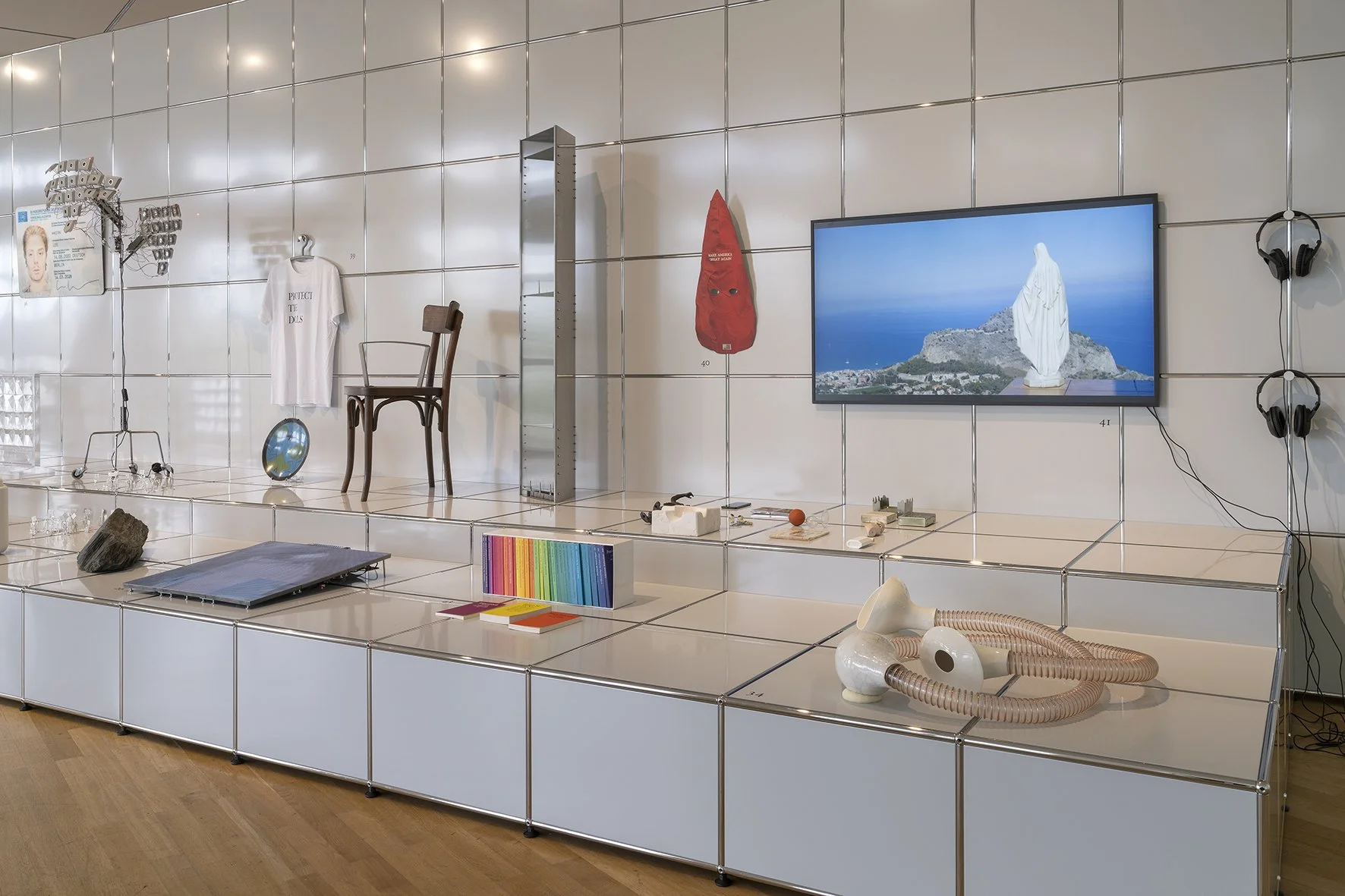
As part of the the thing Fellowship, three designers developed new works in direct dialogue with USM Haller:
Fatma Cankaya creates, through the Frankfurter Schrank, a world of objects shaped by post-migrant perspectives as well as meme and internet culture.
Mawuto Dotou examines social mechanisms of value production and questions the relationship between the value of things and the value of people.
Johanna Seelemann approaches the subject through materiality, allowing the boundaries between natural and cultural spheres to dissolve.
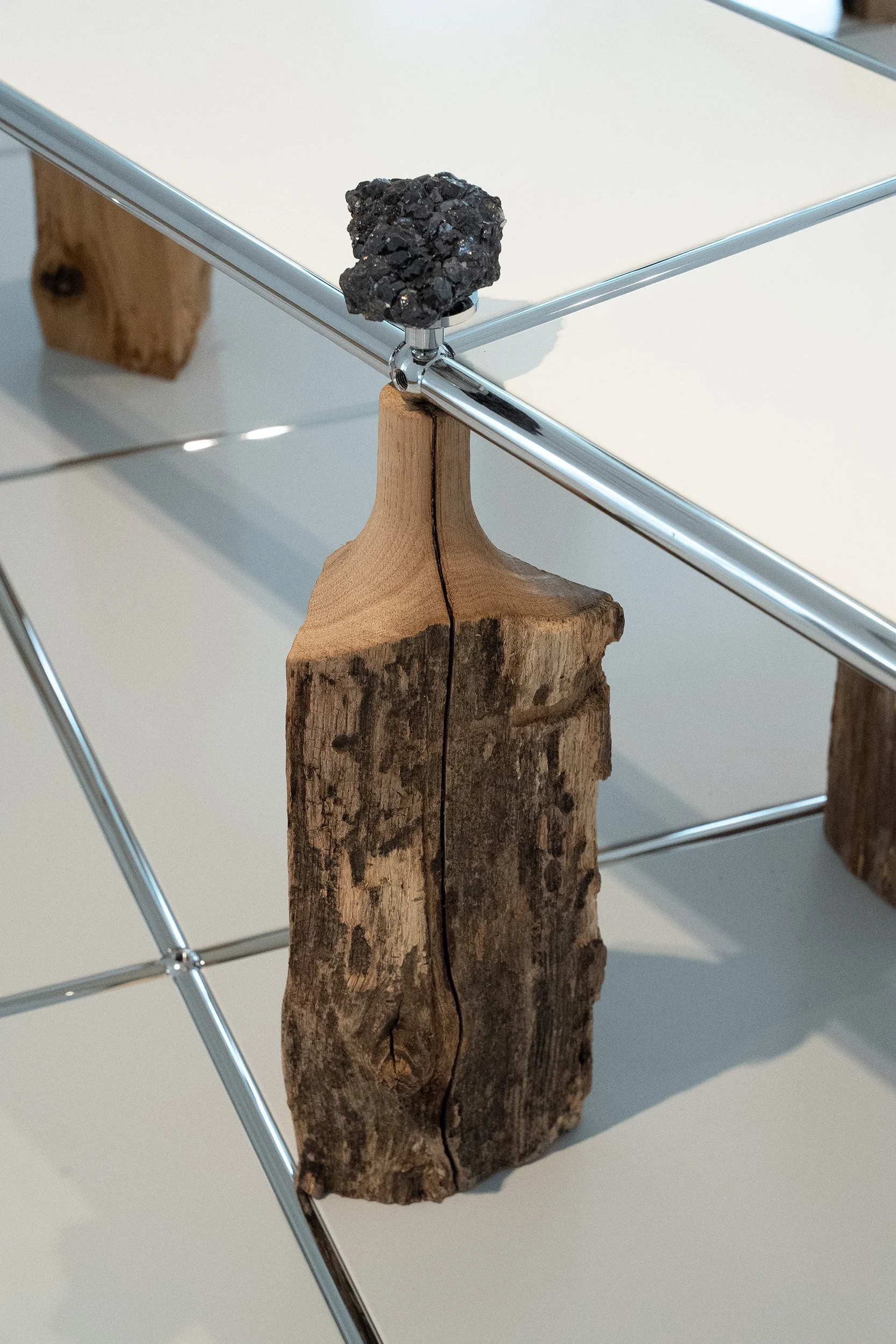
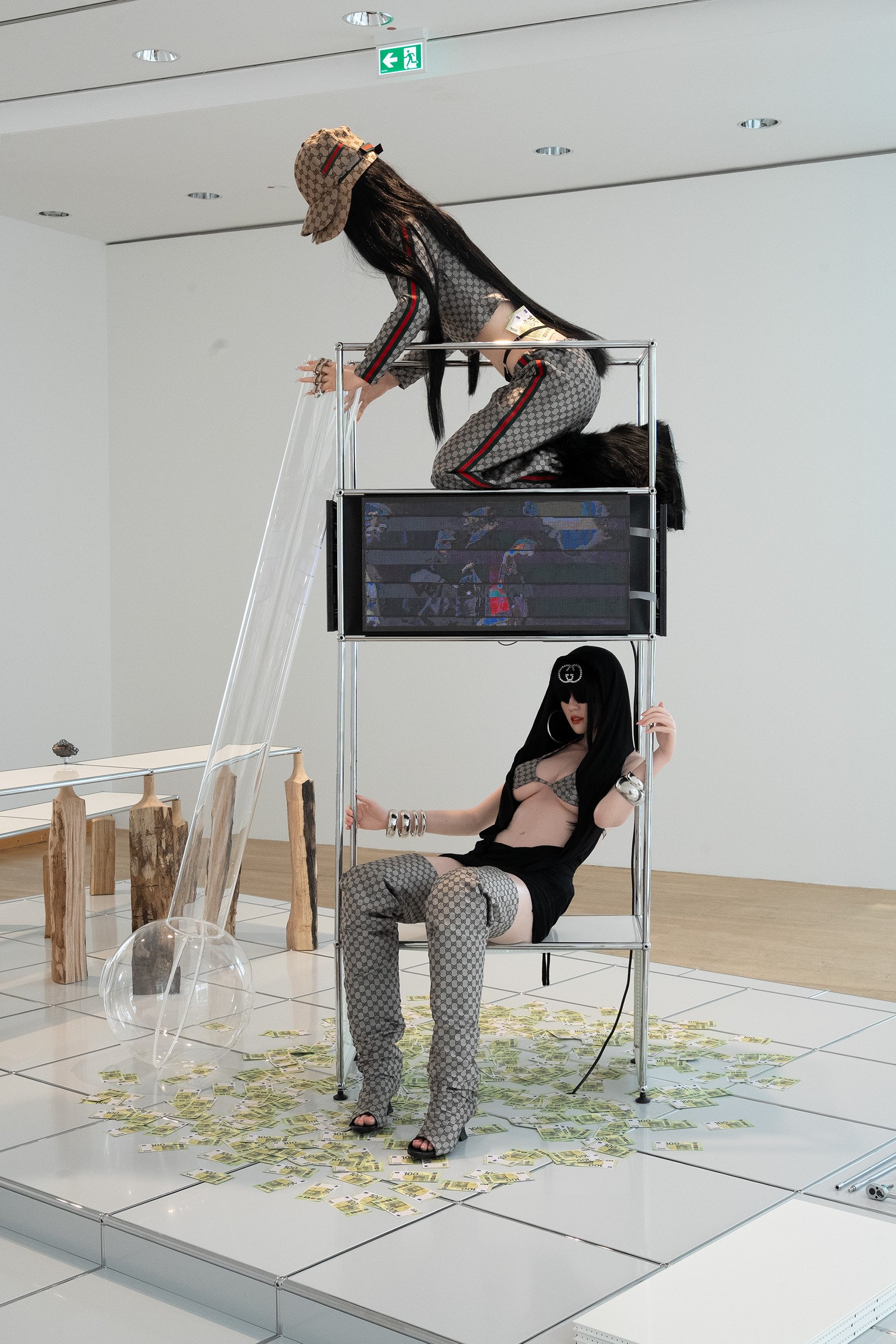
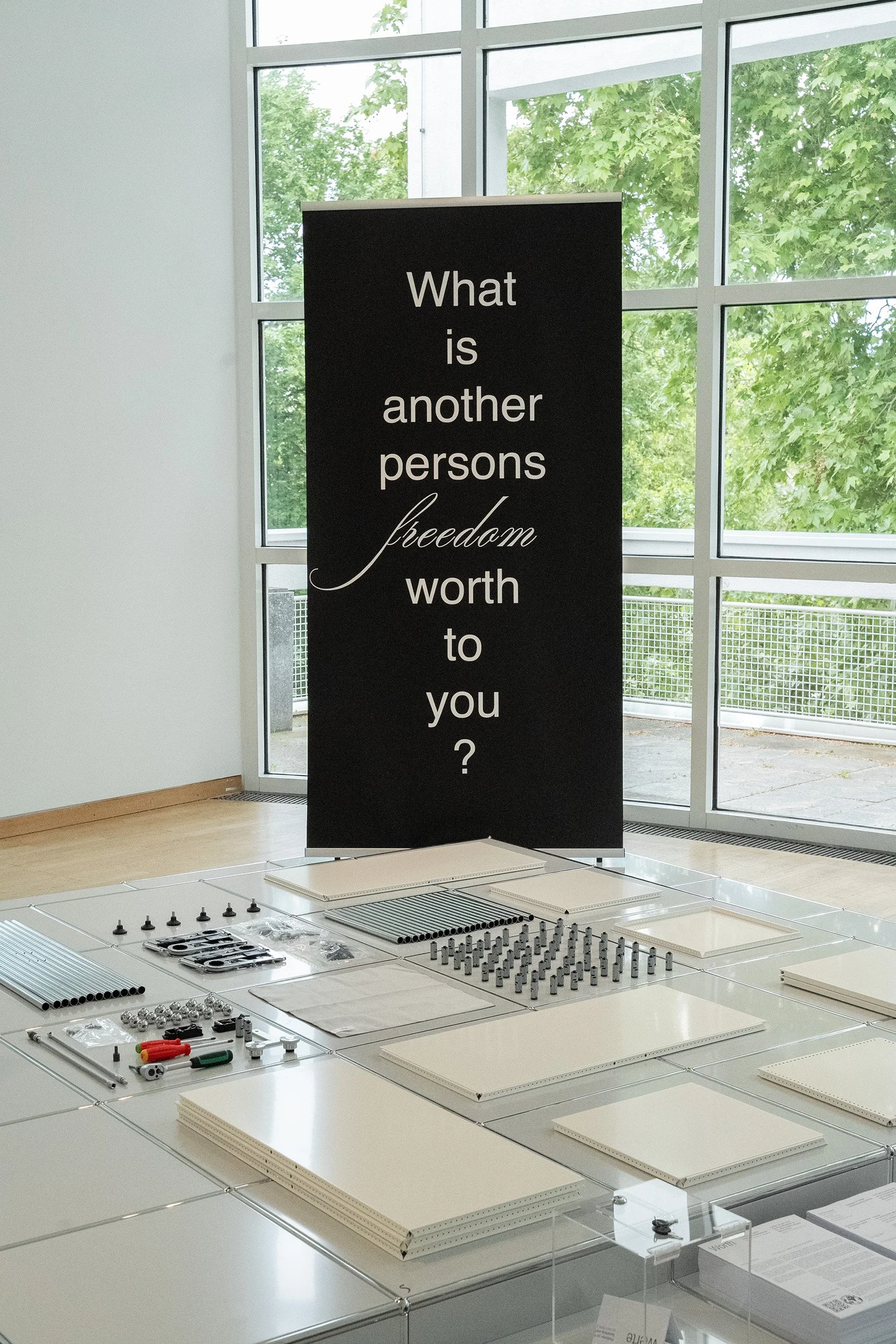
The works transform an industrial system of order into a medium for social reflection — demonstrating how open design classics can become to new interpretations. The modular system itself becomes a metaphor for the question of how stable social orders need to be — and how adaptable they should remain at the same time.
Alongside the Fellowship projects, the exhibition brings together more than 20 additional positions from transdisciplinary and applied perspectives. These works emerged from an international open call with around 200 submissions, as well as through collaborations with the museum’s curators.
Museum Angewandte Kunst
Frankfurt am Main
14 May – 28 June 2026